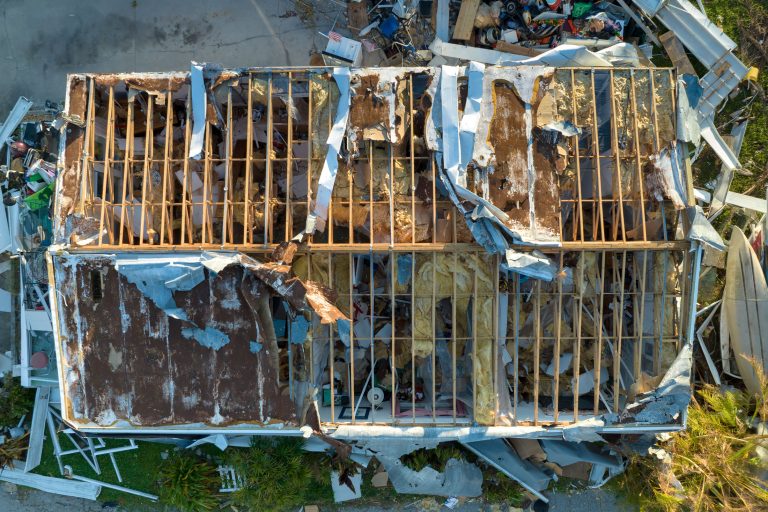
The appraisal clause in an insurance policy is a provision that helps resolve disputes between the policyholder and the insurance company over the value of a claim—usually after a property loss like storm or fire damage.
Here’s how it works:
When there’s a disagreement about how much a loss is worth (not whether it’s covered), either party can invoke the appraisal clause.
Each side picks an appraiser – You and the insurance company each select a competent, impartial appraiser with knowledge of insurance claims and experience in estimating property damage and repair costs. This is crucial—the person representing you should understand both construction values and the insurance policy language.
The appraisers choose an umpire – If the two appraisers can’t agree on the amount of the loss, they bring in a neutral third party (the umpire) to make a final decision.
They set the value – If the two appraisers agree, their number is binding. If not, the umpire acts as the tiebreaker. A decision agreed upon by any two of the three becomes final and binding on both parties.
Important Points:
It’s not a way to contest coverage—only the amount of the loss.
It can be faster and cheaper than litigation.
Each party typically pays their own appraiser and splits the cost of the umpire.
Example:
Let’s say a windstorm damages your roof. You receive an estimate for $60,000, but the insurance company says it’s only worth $35,000. If you can’t agree, you invoke the appraisal clause. Both sides select appraisers who are experienced in handling insurance claims and familiar with proper repair methods and pricing. If those appraisers can’t agree, an umpire steps in to help finalize the decision.
Here’s a sample appraisal clause like you would typically find in an insurance policy:
Appraisal
If you and we disagree on the amount of loss, either may demand an appraisal of the loss. In this event, each party will select a competent and impartial appraiser. The two appraisers will select an umpire. If they cannot agree upon an umpire within 15 days, either may request that a judge of a court of record in the state where the property is located select the umpire.
The appraisers will separately set the amount of the loss. If the appraisers submit a written report of an agreement to us, the amount agreed upon will be the amount of loss. If they fail to agree, they will submit their differences to the umpire. A decision agreed to by any two will set the amount of loss.
Each party will:
Pay its own appraiser; and
Bear the other expenses of the appraisal and umpire equally.
Important details in real policies:
Some policies put a time limit on when you can invoke appraisal (e.g., within 60 days after a disagreement arises).
Some require written demand for appraisal.